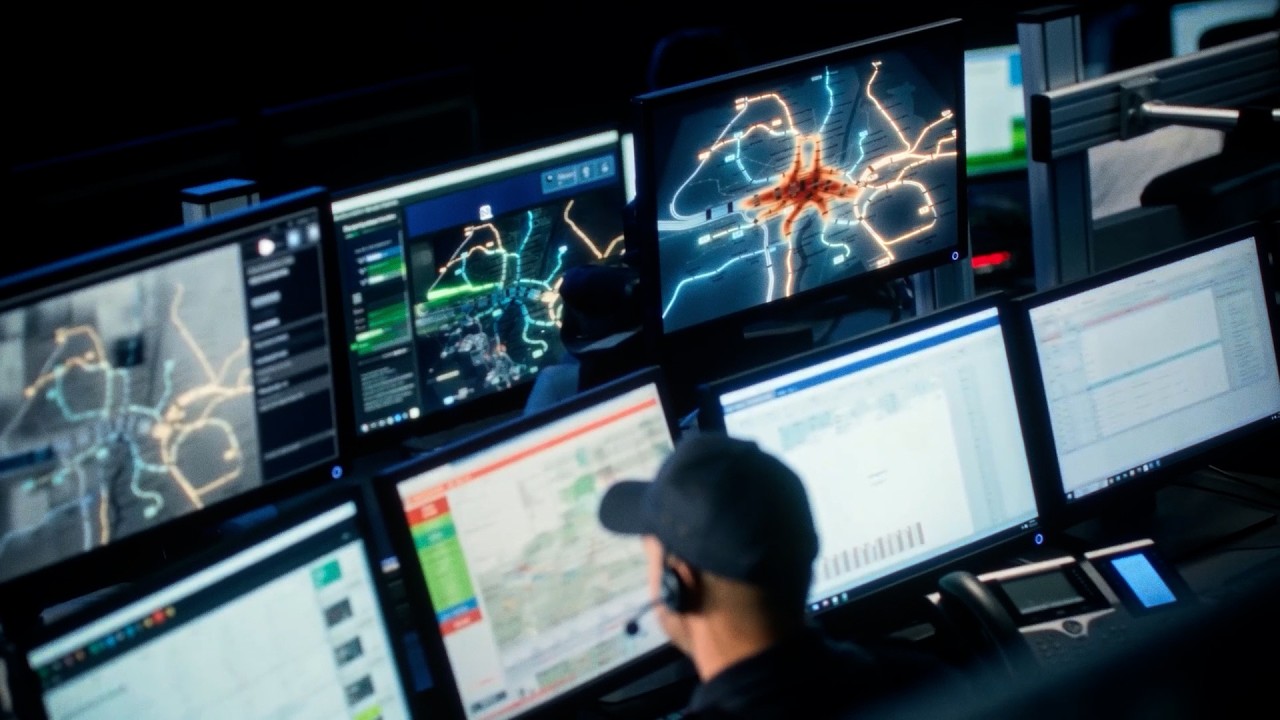
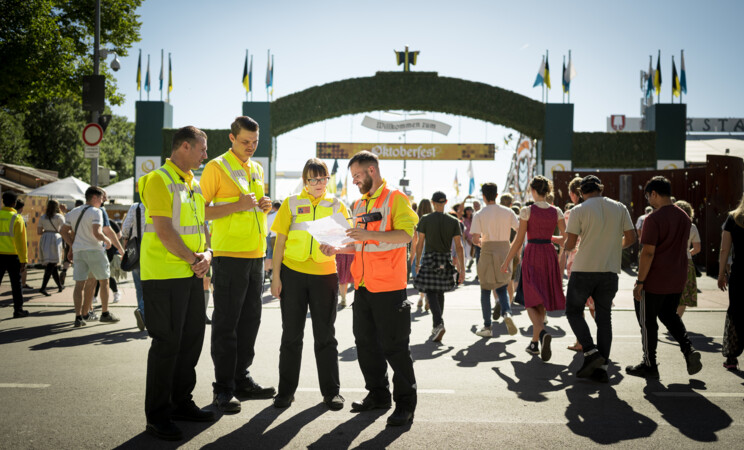
Munich’s U-Bahn is part of the rhythm of the city. Residents depend on it to travel to work, visitors use it to explore the Bavarian capital, and major events like Oktoberfest bring intense periods of passenger activity.
Supporting the safe and reliable operation of this network requires more than a visible security presence. It necessitates close coordination, highly trained people, and a clear understanding of risk across 100 stations.
That’s the role of the Münchner U-Bahnwache, a public-private partnership run by Stadtwerke München - Munich's municipal utilities company – and Securitas. The model is unlike any other in Germany and is showing how connected reporting and risk intelligence can help experienced security teams become more proactive.
A security partnership built for Munich
Munich accelerated the development of its U-Bahn ahead of the 1972 Summer Olympics. As the city and its transportation network continued to grow, so did the need for a dedicated security organization.
The Münchner U-Bahnwache took responsibility for security across the U-Bahn on April 1, 1989. Its structure brought together Stadtwerke München’s public responsibilities with Securitas’ expertise as a professional security provider. Its officers are easily recognized by their distinctive uniforms bearing the Münchner Kindl - the city’s coat of arms depicting a young monk - on their arm patches and headwear.
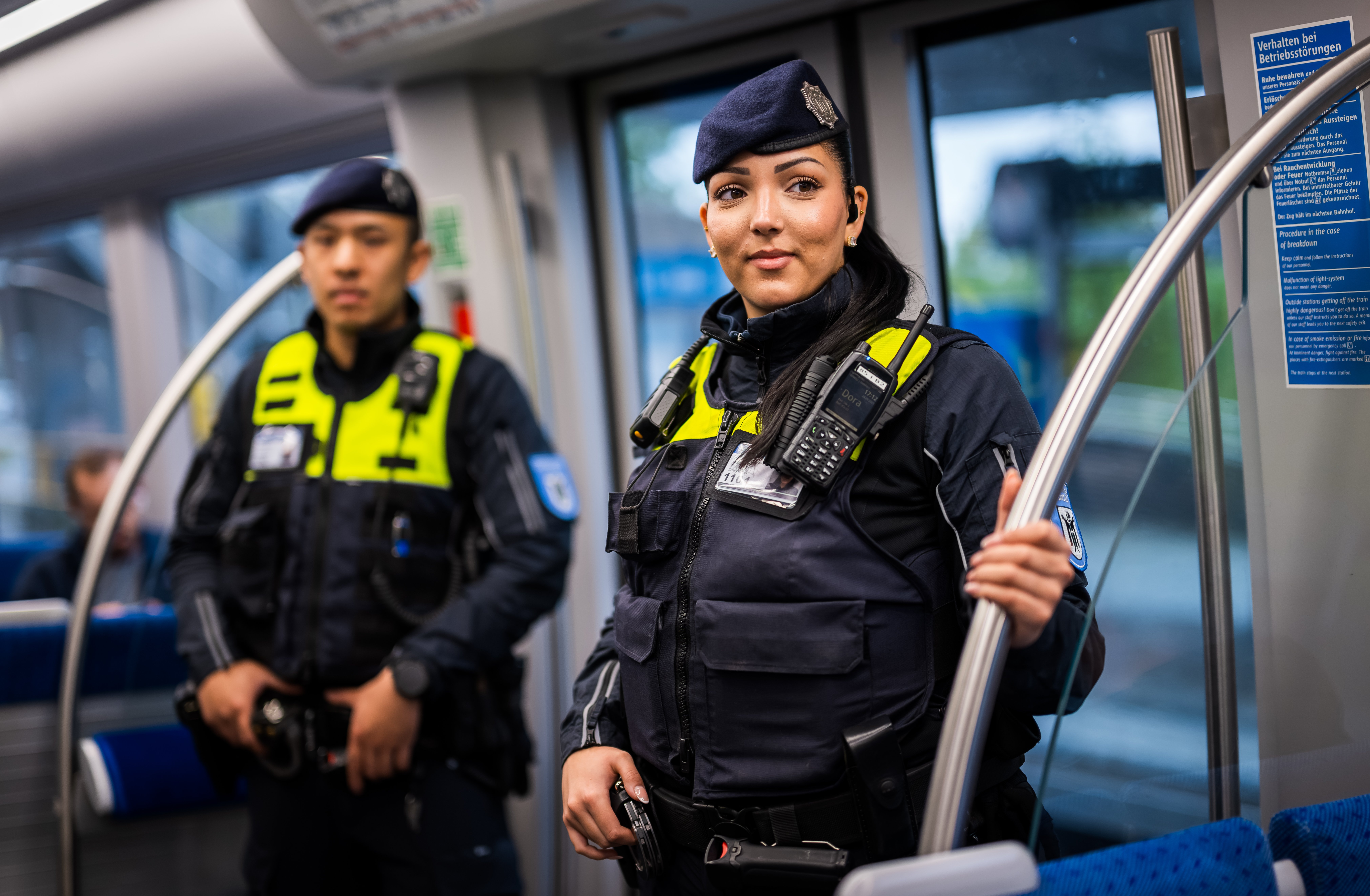
Today, its officers patrol stations and trains, support passengers, respond to incidents, and help protect the infrastructure that keeps the network moving. They also work closely with the Munich police through joint patrols, training, and operational planning.
A complex network demanding specialist preparation
Security on an urban transportation network can change from one station to the next. Teams may need to respond to vandalism, disruptive behavior, or concerns involving vulnerable passengers. At the same time, they need to prepare for large gatherings, demonstrations, and periods of exceptionally high demand.
During Oktoberfest, for example, large numbers of passengers can move through stations in a very short time. Disruption at one location can quickly affect other parts of the network, making awareness, coordination, and a timely response essential.
The Münchner U-Bahnwache prepares its officers for this demanding environment through an extensive selection and training process. Before beginning operational duties, officers complete four months of training covering areas such as first aid, self-defense, legal knowledge, and psychology. Candidates must also pass a structured assessment process.
This combination of specialist preparation, local experience, and close cooperation with public authorities helps create a consistently high standard of service across the network. But even the best-trained people need clear and timely information to make effective decisions.
Creating a connected view across 100 stations
In 2023, the Münchner U-Bahnwache began an important digitalization program. Daily patrols, observations, and incident reports had traditionally been documented through manual processes. These established routines supported the operation for many years, but retrieving and comparing information across a network of 100 stations could take time.
Each station has its own operating environment and risk profile. Without a connected overview, it could be difficult to identify when similar incidents were occurring at different locations or when an isolated issue was beginning to develop into a wider pattern. Working with Stadtwerke München, Securitas introduced a digital reporting model that brings information from daily security operations into one connected environment.
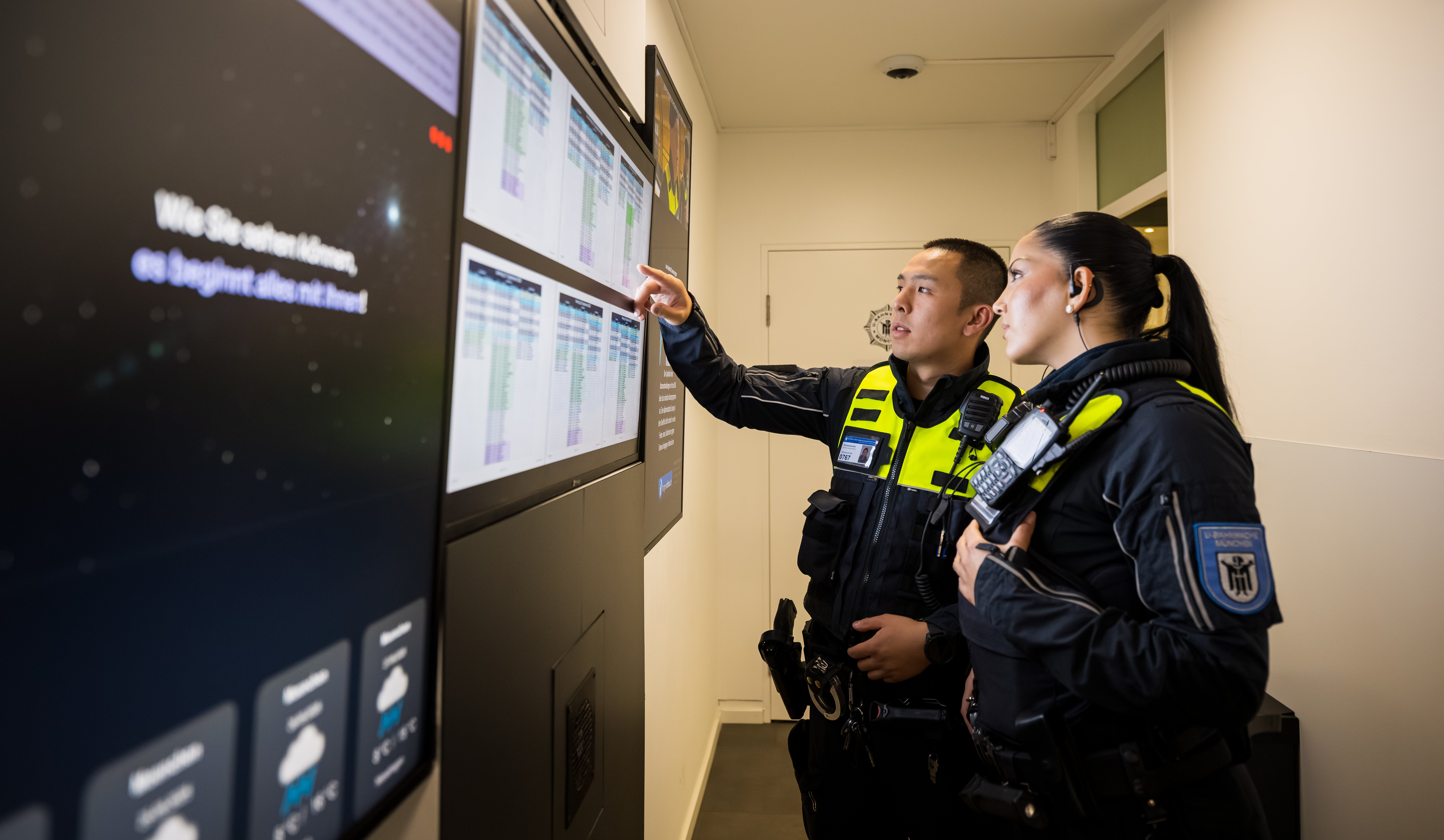
Security officers now record patrols, checks, observations, and incidents through the Securitas Guarding Platform. This gives dispatchers a clearer overview of activity across the network and helps them direct resources based on what is happening at different stations. The information is also made accessible to the client through MySecuritas, where Stadtwerke München can more easily view security activity and reporting in a clear and structured way.
Looking beyond the U-Bahn
Operational reporting provides a detailed picture of what has already happened across the network. The next step was to gain a view of the wider risk landscape.
Following a successful pilot, Stadtwerke München began working directly with the Securitas Risk Intelligence Center (RIC), a global operations hub that provides security intelligence and situational awareness. Its analysts monitor open-source information and examine developments that could affect the U-Bahn and the city’s wider infrastructure. This broader perspective matters because threats don’t sit neatly within the boundaries of a single station or city.
Organized graffiti groups, for example, may travel between countries to target trains. Planned demonstrations can affect stations and passenger flows. Disruptive tactics seen elsewhere in Europe may later appear in Munich.
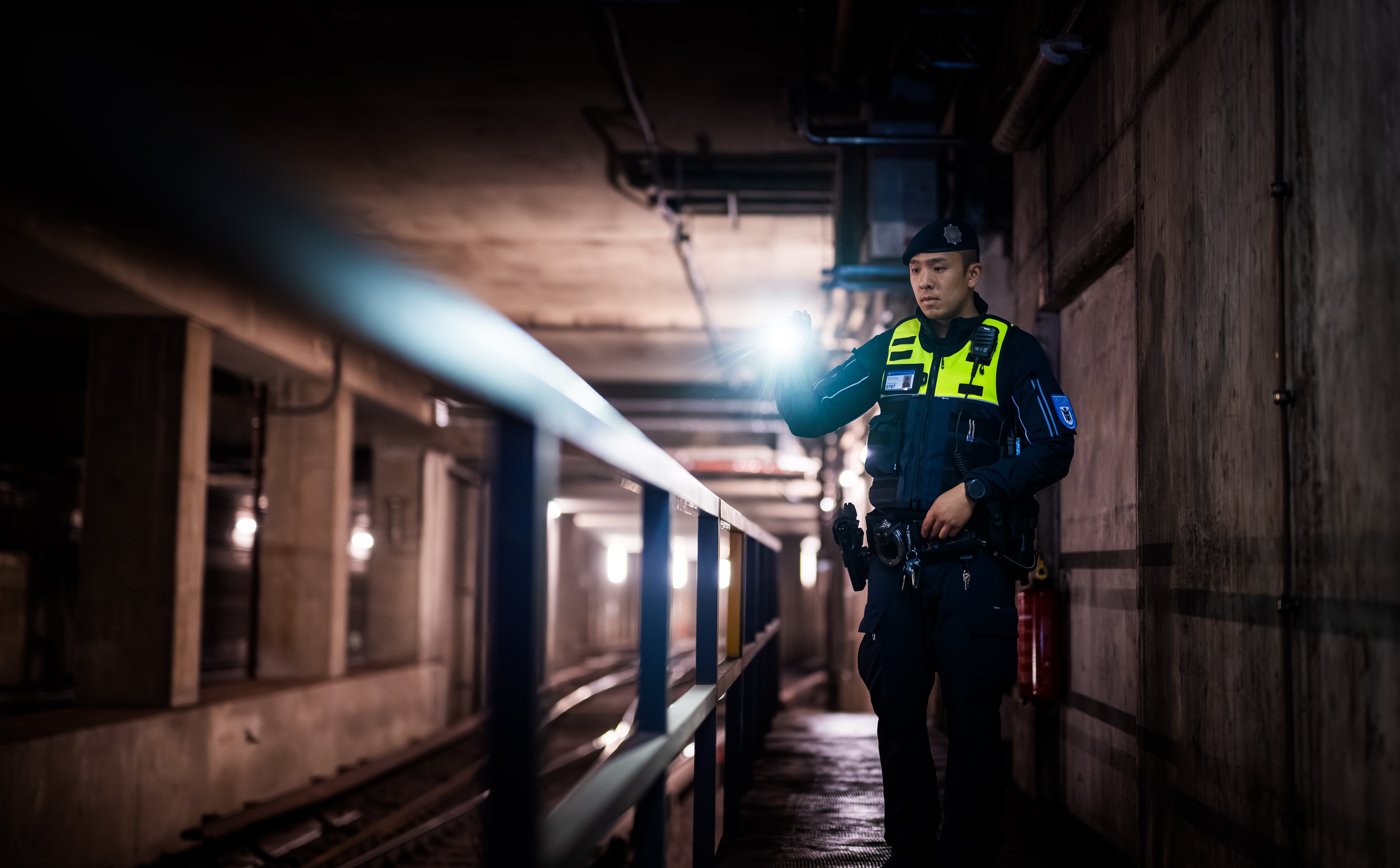
Stadtwerke München works with analysts from the RIC to define the subjects and indicators most relevant to its operations. The RIC then assesses available information and provides reports that help Stadtwerke München understand developing risks. Relevant insights are incorporated into daily briefings for the U-Bahnwache. This means officers can begin their shifts with a clearer understanding of what may affect the network that day, in the coming week, or during a major event.
Building a more proactive security operation
Bringing the two perspectives together yields the greatest value. Digital reporting shows what officers are seeing and doing across Munich’s U-Bahn. Risk intelligence provides a wider view of developments that may affect the network in the future. Together, they help the Münchner U-Bahnwache:
- Build a clearer operational picture across the city’s 100 stations
- Identify recurring incidents and developing patterns
- Brief officers on relevant risks during their shifts
- Position personnel where they may be needed most
- Prepare more effectively for major events and potential disruption
- Give Stadtwerke München greater visibility into security activity
This connected approach helps the team move from reacting to individual incidents toward anticipating where threats may emerge. Technology provides visibility and structure. Risk analysts add context. Highly trained security professionals turn that intelligence into action on the ground.
Putting people at the center of protection
The benefits of this work extend beyond operational efficiency or the protection of trains and stations. Public transportation is part of how people experience the city. Passengers should feel confident commuting to work, returning home at night, or visiting Munich for the first time.
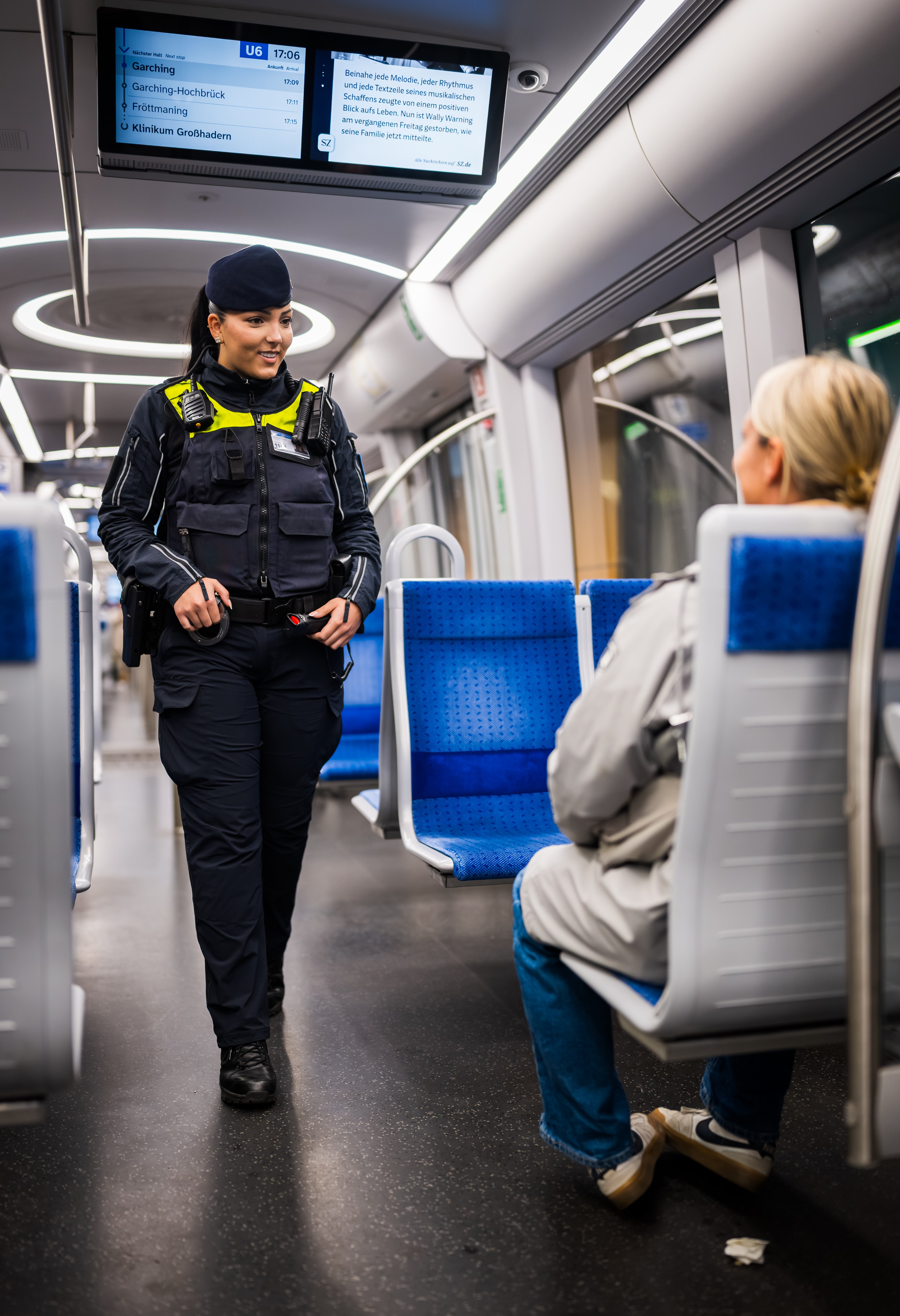
By combining strong partnerships, specialist training, connected reporting, and forward-looking intelligence, the Münchner U-Bahnwache continues to develop how it protects the people and infrastructure that keep Munich moving.
It also reflects a broader change in the role of security. Securitas is working alongside Stadtwerke München not only as a service provider, but as a long-term advisor that helps the client understand risk, strengthen its operations, and prepare for what may come next.
This is intelligence-led security in action.